
Apprentice Hunting License Guide — How to Hunt Without Hunter Ed (2026)
Want to try hunting before committing to hunter ed? Apprentice licenses are your legal path.
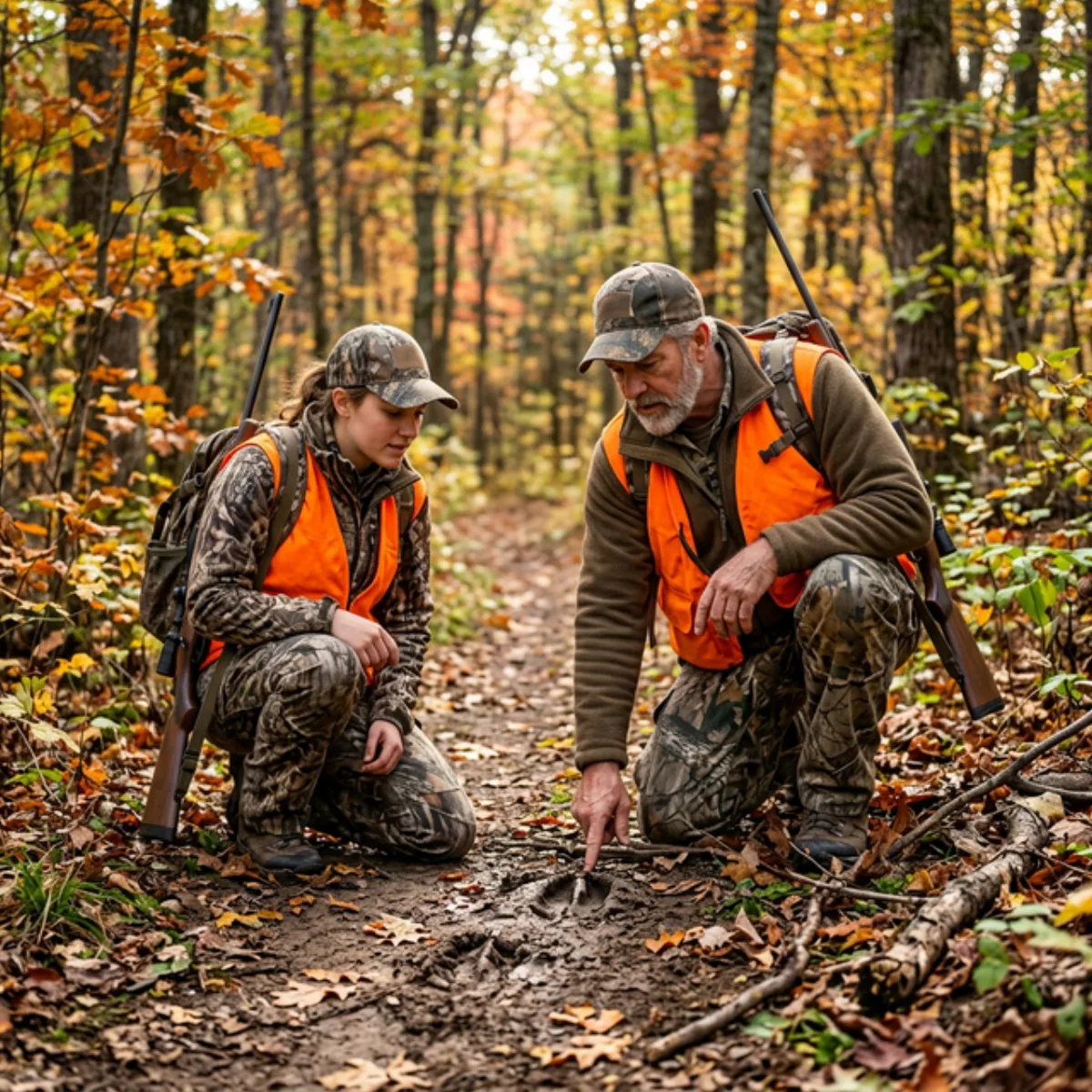
TL;DR — Key Takeaways
- Over 40 states offer apprentice or mentor hunting programs that allow first-timers to hunt without completing hunter education first.
- Apprentice hunters must always be accompanied by a licensed adult mentor — usually within arm's reach or line of sight.
- Most apprentice programs limit participation to 1-3 seasons. Pennsylvania allows mentored hunters ages 12+ to participate for maximum three years; Montana allows two license years.
- Age requirements vary widely: Pennsylvania accepts hunters as young as age 7, Montana and Missouri start at age 10, while other states have no minimum age.
- Prices for apprentice licenses range from free (Pennsylvania youth under 12) to $10 annually (Missouri) to the same as a standard hunting license.
In This Guide 8 sections
- What Is an Apprentice Hunting License?
- How Apprentice Hunting Programs Work
- States With Apprentice / Mentor Programs
- The Two Legal Paths to Hunt Without Hunter Ed
- Mentor Requirements and Responsibilities
- How to Transition from Apprentice to Licensed Hunter
- Benefits of Apprentice Programs
- Best States for Introducing Someone to Hunting
What Is an Apprentice Hunting License?
An apprentice hunting license (also called a mentor hunting license, novice license, or try-before-you-buy license) allows someone to hunt legally without having completed a hunter education course — provided they hunt under the direct supervision of a licensed adult mentor.
This is the primary legal pathway for two groups:
- Adults interested in trying hunting who haven't taken hunter ed and want to experience it before committing to the course
- Youth hunters who are too young to complete hunter education independently
The key rule in every state: An apprentice hunter must be accompanied by a licensed, adult mentor while hunting. The mentor must have completed hunter education.
How Apprentice Hunting Programs Work
The general structure across states:
1. Purchase the Apprentice License
Available online, at retail vendors, or through the state wildlife agency. Price ranges from free to roughly the same as a standard annual license.
2. Hunt Under Direct Supervision
The licensed mentor must be:
- Physically present — most states require the mentor to be within arm's reach for firearms hunting, especially for youth. Montana requires apprentice hunters to stay within sight of the nonhunting mentor at all times.
- Licensed — the mentor must hold a valid hunting license and have completed hunter education (Montana requires mentors born after Jan. 1, 1985 to have completed Hunter Education)
- Of legal age — typically 18+, some states require 21+ (Montana requires mentors to be 21 or older; if apprentice is under 18, mentor must be related by blood, adoption, or marriage, or be the apprentice's legal guardian or designated by the legal guardian)
- Qualified — Missouri requires mentors to be hunter-education certified hunters who are 18 years old or older, or who were born before Jan. 1, 1967
3. Limited Duration
Most states cap apprentice participation at 1 to 3 seasons. Pennsylvania allows mentored hunters ages 12 or older to participate for a maximum of three years before requiring hunter education and a regular license. Montana allows apprentice hunters to obtain certification for no more than two license years before completing hunter safety and education. Missouri's Apprentice Hunter Authorization is good for one year and can be renewed annually. After reaching these limits, you must complete hunter education to continue hunting. A few states have no limit on how many years you can use an apprentice license for youth under certain ages (Pennsylvania for those under 12, Indiana).
4. Otherwise, Standard Rules Apply
Apprentice hunters must follow all regular hunting regulations: season dates, bag limits, legal methods, blaze orange requirements, etc.
States With Apprentice / Mentor Programs
States With the Most Flexible Programs
These states have well-structured apprentice programs with minimal barriers:
| State | Program Name | Max Uses | Age Requirement | NR Eligible? | Cost |
|---|---|---|---|---|---|
| Michigan | Mentored Youth / Apprentice | 2 seasons | Any age (youth); 10+ (adult) | Yes | Same as regular |
| Texas | Youth-Only (no hunter ed required under 17) | N/A | Under 17 | Yes | Same as regular |
| Pennsylvania | Mentored Youth | No limit (under 12); 3 years (12+) | Age 7+ | Yes | $2.97 (under 12); varies by age |
| Wisconsin | Mentored Hunting | No limit (under 10) | Under 10 | Yes | Free |
| Ohio | Apprentice | 3 years | Any age | Yes | Same as regular |
| Indiana | Apprentice | No limit | Any age | Yes | $5/year |
| Georgia | Apprentice | 1 year | Any age | Yes | Same as regular |
| Virginia | Apprentice | 2 years | Any age | Yes | Same as regular |
| Tennessee | Apprentice | 1 year | Any age | Yes | ~$15 |
| Montana | Apprentice Hunter | 2 license years | Age 10+ | Yes | Same as regular |
| Missouri | Apprentice Hunter | 1 year (renewable) | Age 10+ | Yes | $10/year |
| Illinois | Apprentice License | Varies | Any age | Yes | Varies |
States That Exempt Youth Under a Certain Age
Many states take a simpler approach: children under a specified age can hunt with a parent/guardian without any license or hunter ed requirement.
| State | Exempt Age | Requirements |
|---|---|---|
| Texas | Under 17 | Must be accompanied by licensed adult |
| Alaska | Under 10 | With licensed parent/guardian |
| California | Under 16 | Junior hunting license (no hunter ed required under 16 with adult) |
| Mississippi | Under 16 | Free youth license with adult supervision |
| Louisiana | Under 16 | With licensed adult within arm's reach |
| Alabama | Under 16 | With licensed adult |
| Florida | Under 16 | No license required with licensed adult |
States Without Apprentice Programs
A small number of states require hunter education with no apprentice alternative:
- New Jersey — No apprentice license (but does offer supervised hunts through state-organized events)
- Connecticut — No formal apprentice program
- Massachusetts — No apprentice license; hunter ed required for all
In these states, your only option is to complete hunter education before purchasing any hunting license.
The Two Legal Paths to Hunt Without Hunter Ed
Understanding the distinction is important:
Path 1: Apprentice/Mentor License
- Available in 40+ states
- For any person who hasn't completed hunter ed
- Time-limited (1-3 seasons typically)
- Requires a licensed mentor
- Must eventually complete hunter ed
Path 2: Age-Based Exemption
- Available in most states
- Specifically for youth under a certain age (usually 12-16)
- Supervised by parent/guardian
- Hunter ed required once they reach the threshold age
Both paths require adult supervision. Neither allows hunting alone.
Mentor Requirements and Responsibilities
The mentor's role is critical and carries legal weight:
- Stay close: Within arm's reach for firearms; within sight/hearing for archery in most states
- Be licensed: Must have a valid hunting license and completed hunter education
- Be legal age: Typically 18+; some states require 21+
- One-on-one: Most states require a 1:1 mentor-to-apprentice ratio. A mentor cannot supervise multiple apprentice hunters simultaneously
- Share equipment: Some states allow the apprentice to use the mentor's tags/permits, particularly for youth hunts
Liability note: The mentor bears legal responsibility for the apprentice's actions in the field. This includes compliance with regulations, bag limits, and safe firearm handling.
How to Transition from Apprentice to Licensed Hunter
Once you've used your apprentice seasons, the next step is completing hunter education:
- Online course option: Most states accept IHEA-approved online courses (8-12 hours, ~$15-$30). These are the most convenient option.
- In-person course: Free in many states. Offered through wildlife agencies, volunteer instructors, and organizations like the NRA and NWTF.
- Field day: Some online courses require an in-person field day for hands-on evaluation.
After completing hunter education, your certificate is accepted in all 50 states. See our hunting license reciprocity guide for details.
Benefits of Apprentice Programs
These programs serve a vital role in hunter recruitment:
- Lower barrier to entry: Eliminates the upfront time commitment of hunter education for people who just want to try it
- Learn by doing: Apprentice hunters learn from experienced mentors in real field conditions
- Social introduction: Hunting with a mentor is how hunting has been passed down for generations
- Path to conservation: Every new hunter contributes to Pittman-Robertson conservation funding through license fees
According to the US Fish & Wildlife Service, states with apprentice hunting programs see 15-20% higher hunter recruitment rates compared to states without them.
Best States for Introducing Someone to Hunting
If you want to take a friend or family member on their first hunt, these states offer the most beginner-friendly combination of apprentice programs, public land access, and affordable licenses:
- Michigan — Extensive mentored hunting program, 4.6M acres of public land, diverse species
- Pennsylvania — Free mentored youth licenses, 3.5M acres of public land
- Wisconsin — No limit on mentored hunts for under-10 youth, 5.7M acres public land
- Indiana — $5 apprentice license, no season limit, good public land access
- Ohio — 3-year apprentice program, good WMA access, whitetail hunting paradise
- Hunting License Reciprocity Between States — The Complete 2026 Guide Comprehensive guide to hunting license reciprocity between US states. Learn whic…
- Hunter Education Course Guide — Online & In-Person Options for 2026 Complete guide to hunter education courses in 2026. Compare online vs. in-person…
- First-Time Hunter Checklist — Everything You Need Before Your First Hunt Complete first-time hunter checklist covering gear, safety, licensing, and prepa…
Recommended Resources
Affiliate links — we may earn a commission at no extra cost to you. Learn more
Frequently Asked Questions
Can you hunt without a hunter education certificate?
Yes, in over 40 states through apprentice or mentor hunting programs. You must hunt under the direct supervision of a licensed adult who has completed hunter education. These programs are typically limited to 1-3 seasons depending on state. Pennsylvania allows mentored hunters ages 12 or older to participate for a maximum of three years before requiring hunter education, while those under 12 have no limit. Montana allows apprentice hunters age 10+ to obtain certification for no more than two license years before completing hunter safety and education. Missouri's Apprentice Hunter Authorization costs $10 annually and is renewable each year. After reaching your state's participation limit, you must complete hunter education to continue hunting independently. The apprentice must stay within arm's reach or sight of the mentor at all times, and the mentor must be a licensed hunter who has completed hunter education.
What is the difference between an apprentice license and a regular hunting license?
An apprentice license does not require hunter education completion and mandates that you hunt with a licensed adult mentor at all times. The mentor must remain within arm's reach (for firearms) or sight (for archery) depending on state regulations. Montana requires apprentice hunters to stay within sight of the nonhunting mentor at all times. A regular hunting license requires proof of hunter education completion and allows you to hunt independently without supervision. In most states, the price is similar (same as regular license), though some states offer discounted apprentice options: Missouri charges $10 annually, Indiana charges $5/year, and Pennsylvania charges $2.97 for mentored youth under 12. Apprentice licenses are time-limited (1-3 years typically), while regular licenses can be renewed indefinitely. Both types of licenses require compliance with all standard hunting regulations including season dates, bag limits, and legal methods of take.
How old do you have to be to get an apprentice hunting license?
Age requirements vary significantly by state. Pennsylvania accepts mentored hunters as young as age 7, making it one of the most accessible programs for young hunters. Montana and Missouri require apprentice hunters to be at least age 10 or older. Some states like Indiana, Ohio, and Illinois have no minimum age for apprentice licenses, allowing hunters of any age to participate. Many states also have youth-specific exemptions that allow children under 12-16 to hunt with a parent or guardian without any license requirement at all. Texas allows youth under 17 to hunt without hunter education as long as they are accompanied by a licensed adult. Wisconsin offers free mentored hunting for youth under 10 with no limit on participation years. Always check your specific state wildlife agency website for current age requirements, as these regulations are updated periodically.
Can non-residents get apprentice hunting licenses?
Yes, most states that offer apprentice programs make them available to non-residents as well. You'll pay non-resident rates for the apprentice license, just as you would for a regular non-resident license. States like Michigan, Pennsylvania, Montana, Missouri, Ohio, Indiana, Georgia, Virginia, Tennessee, and Illinois all allow non-residents to participate in their apprentice or mentored hunting programs. The same supervision requirements apply regardless of residency status: you must hunt with a licensed adult mentor who has completed hunter education. Non-resident apprentice licenses typically cost the same as regular non-resident hunting licenses in that state, which can range from $50-$300+ depending on the state and species you plan to hunt. Check your target state's wildlife agency website for specific non-resident apprentice license pricing and availability.
How many years can you use an apprentice license?
It varies significantly by state. Some states allow only 1 year of apprentice hunting (Georgia, Tennessee, Missouri renewable annually), others allow 2-3 years (Michigan 2 seasons, Montana 2 license years, Ohio 3 years, Virginia 2 years). Pennsylvania has a tiered system: mentored hunters under age 12 have no limit on consecutive years, while those ages 12 or older may participate for a maximum of three years before requiring hunter education and a regular license. Indiana has no limit on apprentice license use for any age. Wisconsin offers unlimited mentored hunting for youth under 10. After reaching your state's participation limit, you must complete an approved hunter education course (typically 6-8 hours online or in-person, costing $15-$35 in most states, free in Pennsylvania, Michigan, Minnesota, Wisconsin) to obtain a regular hunting license and continue hunting independently.
Does the mentor need to be a parent or family member?
Not in most states, though some have specific relationship requirements. Generally, the mentor simply needs to be a licensed adult (usually 18-21+ depending on state) who has completed hunter education. They can be a friend, neighbor, hunting club member, or any qualified adult. However, Montana has specific requirements: if the apprentice is under 18, the mentor must be 21 or older AND must be related to the apprentice by blood, adoption, or marriage; or be the apprentice's legal guardian or be designated by the apprentice's legal guardian. Missouri requires the mentor to be a properly licensed, hunter-education certified hunter who is 18 years old or older, or who was born before Jan. 1, 1967. Some states require parental consent forms for youth apprentice hunters even when the mentor is not a parent. Always verify your specific state's mentor qualification requirements before heading into the field.
Can an apprentice hunter use a firearm?
Yes. Apprentice hunters can use the same legal methods of take (firearms, archery, muzzleloader) as regular licensed hunters in most states. The mentor must be within arm's reach during firearms hunting in virtually all states that offer apprentice programs. Montana requires apprentice hunters to stay within sight of the nonhunting mentor at all times. Missouri requires hunting in the immediate presence of a properly licensed, hunter-education certified hunter. The apprentice must comply with all standard hunting regulations including legal calibers, magazine capacity limits, and weapon-specific season restrictions. Some states have additional restrictions: Montana prohibits apprentice hunters from obtaining black bear, mountain lion, or wolf licenses. Pennsylvania's mentored youth program allows use of all legal hunting methods under direct mentor supervision. Always check your state's specific apprentice program rules for any weapon or species restrictions.
What happens after I use all my apprentice seasons?
You must complete hunter education to continue hunting independently. Most states accept IHEA-approved online courses which cost $15-$35 and take 6-8 hours to complete, though they are completely free in Pennsylvania, Michigan, Minnesota, Wisconsin, and through the NRA Online Hunter Education program (100% free in participating states). Some states like California require a mandatory 4-hour in-person field day in addition to online coursework. In-person courses are also available free in many states through wildlife agencies and volunteer instructors. Your hunter education certificate, once earned, is valid for life and recognized by all 50 states, Canada, and Mexico through IHEA-USA reciprocity agreements. After completing hunter education, you can purchase a regular hunting license and hunt independently without mentor supervision. The certificate never expires and you never need to retake the course.